Introduction
If you've ever tried yield farming on Ethereum mainnet, you've probably experienced the sting of paying $50 or more in gas fees just to deposit $200 worth of tokens. It's frustrating, and for many beginners, it makes DeFi feel like a game only whales can play.
But here's the good news: Layer 2 networks have changed everything. These scaling solutions let you access the same powerful DeFi protocols you've heard about, but with transaction fees measured in cents rather than dollars.
In this beginner's guide, we'll walk you through everything you need to know about yield farming on Layer 2 networks like Optimism and Arbitrum. By the end, you'll understand how these networks work, why they're perfect for beginners, and how to execute your first yield farming strategy without breaking the bank on fees.
What is Layer 2 Yield Farming?
Let's break this down into two simple concepts.
Yield farming is the practice of putting your cryptocurrency to work in decentralized finance (DeFi) protocols to earn rewards. Think of it like earning interest at a bank, except the rates are often much higher, and you're interacting directly with smart contracts instead of a financial institution.
Layer 2 networks are blockchain systems built on top of Ethereum (the "Layer 1") that handle transactions faster and cheaper while still benefiting from Ethereum's security. The most popular Layer 2s for DeFi are Optimism and Arbitrum, both using a technology called "optimistic rollups."
When you combine these concepts, Layer 2 yield farming simply means earning rewards by providing liquidity or staking tokens on DeFi protocols deployed on these faster, cheaper networks.
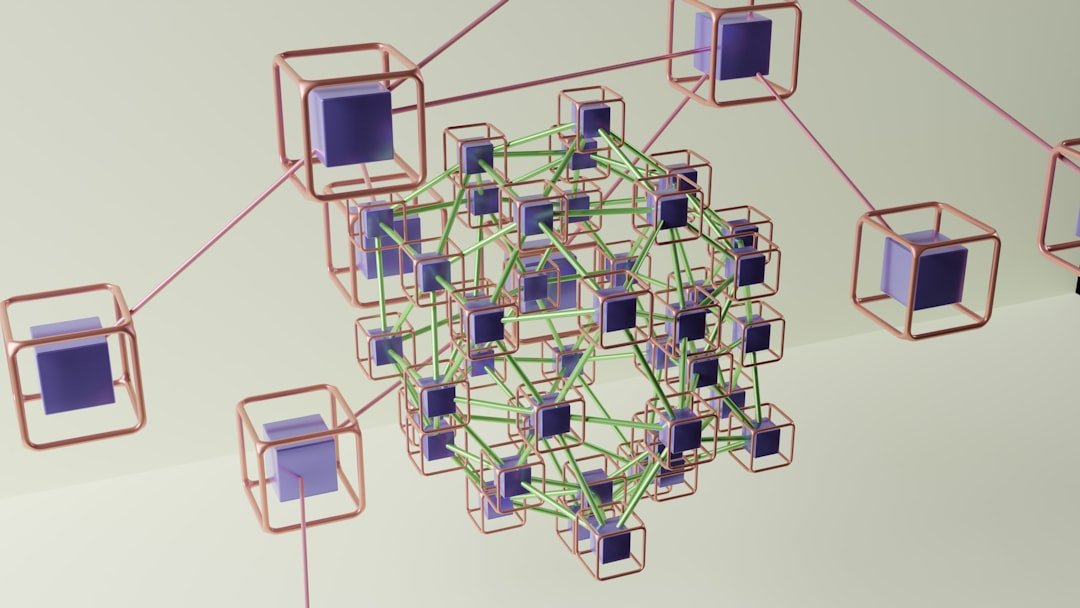
Photo by GuerrillaBuzz on Unsplash
The key thing to understand is that your funds on Layer 2 are still secured by Ethereum. The Layer 2 network periodically posts proof of all its transactions back to Ethereum mainnet, so you get the best of both worlds: low fees and strong security.
Why Should You Care About Layer 2 Yield Farming?
If you're new to DeFi, Layer 2 networks aren't just a nice option—they're arguably the best place to start. Here's why beginners should pay attention:
- Transaction fees typically under $0.50, often just a few cents
- Same DeFi protocols you'd find on Ethereum mainnet
- Faster transaction confirmations (seconds vs. minutes)
- Lower capital requirements make it accessible for smaller portfolios
- Learn DeFi mechanics without expensive mistakes
- Growing ecosystem with frequent airdrop opportunities
- Bridging assets takes time (especially withdrawals)
- Slightly more complex setup than mainnet Ethereum
- Some protocols have less liquidity than mainnet versions
- Need to manage assets across multiple networks
The math speaks for itself. On Ethereum mainnet, a simple token swap might cost $15-30 in gas during busy periods. On Arbitrum or Optimism, the same transaction costs $0.10-0.50. This means you can actually experiment, learn from mistakes, and compound your rewards without fees eating into your profits.
For a beginner with $500 to invest, Layer 2 yield farming transforms DeFi from impractical to genuinely accessible.
Getting Started: What You Need
Before you can start farming yield on Layer 2, you'll need a few things in place. Don't worry—the setup is straightforward, and you only need to do it once.
-
Download from metamask.io. This will store your crypto and connect to DeFi apps.
-
You'll need ETH on both Ethereum mainnet (for bridging) and on your chosen L2. Start with $20-50 worth.
-
USDC, ETH, or other tokens you want to put to work. Start small while learning.
-
Visit chainlist.org and search for Arbitrum One or Optimism. Click 'Add to MetaMask' to configure automatically.
-
Use the official bridges (bridge.arbitrum.io or app.optimism.io/bridge) to move tokens from mainnet to L2.
A note on bridging: Moving assets from Ethereum to Layer 2 is called "bridging." Deposits are fast (10-15 minutes), but withdrawals back to mainnet can take up to 7 days due to security mechanisms. Plan accordingly and don't bridge more than you're comfortable having on L2 for a while.
For faster bridging, third-party bridges like Hop Protocol or Stargate can move assets in minutes, though they charge small fees.
Basic Concepts You Need to Understand
Before diving into actual strategies, let's cover the fundamental concepts you'll encounter in Layer 2 yield farming. Understanding these terms will help everything else make sense.
Liquidity Pools
A liquidity pool is a collection of tokens locked in a smart contract. These pools power decentralized exchanges (DEXs) by providing the tokens needed for trades. When someone wants to swap ETH for USDC, they're trading against a liquidity pool, not another person.
Liquidity Providers (LPs)
That's you! When you deposit tokens into a liquidity pool, you become a liquidity provider. In exchange for providing this service, you earn a share of the trading fees generated by the pool.
LP Tokens
When you deposit into a pool, you receive LP tokens as a receipt. These represent your share of the pool. You'll need these tokens to withdraw your funds later, so treat them like cash.
APR vs APY
APR (Annual Percentage Rate) is the simple interest rate—what you'd earn in a year without compounding. APY (Annual Percentage Yield) includes compound interest. A 50% APR becomes a higher APY if you reinvest rewards regularly. Always check which metric a protocol is showing.
Impermanent Loss
This is the potential downside of providing liquidity. If the price ratio of your deposited tokens changes significantly, you might end up with less value than if you'd just held the tokens. It's called "impermanent" because the loss only becomes real when you withdraw.
Common Beginner Mistakes to Avoid
Learning from others' mistakes is cheaper than making your own. Here are the most common pitfalls new yield farmers encounter on Layer 2:
1. Chasing the Highest APY
That 10,000% APY looks amazing until you realize it's a brand-new protocol with unaudited contracts and a token that's about to crash 95%. Extremely high yields usually mean extremely high risk. Sustainable yields on established protocols typically range from 5-30% APY.
2. Ignoring Impermanent Loss
Many beginners provide liquidity to volatile token pairs without understanding impermanent loss. If you deposit ETH/SHIB and SHIB drops 80%, you'll end up holding more SHIB and less ETH than you started with. For beginners, stablecoin pairs (like USDC/USDT) or single-asset staking are safer options.
3. Forgetting About Gas on L2
Yes, L2 fees are cheap, but they're not zero. Always keep some ETH in your L2 wallet for transactions. Running out of gas mid-strategy is frustrating and can leave your funds in limbo.
4. Not Verifying Contract Addresses
Scammers create fake versions of popular protocols. Always access DeFi apps through official links (bookmark them!) and verify contract addresses before approving transactions. If someone DMs you a "special" link, it's a scam.
5. Over-Complicating Early On
You don't need to use five protocols with leveraged positions on day one. Start with a single, straightforward strategy. Master the basics before adding complexity.

Photo by Choi Chulho on Unsplash
Your First Layer 2 Yield Farm
Let's walk through a simple, beginner-friendly yield farming strategy on Arbitrum. We'll use Uniswap V3 to provide liquidity to an ETH/USDC pool—one of the most liquid and established options available.
-
Use bridge.arbitrum.io to move your tokens. Keep some ETH unbridged in your wallet for future gas fees.
-
Go to app.uniswap.org and make sure your wallet is connected to Arbitrum network (check the network selector).
-
Select ETH and USDC as your token pair. Choose the 0.3% or 0.05% fee tier (0.05% for stablecoin-heavy ranges, 0.3% for wider ranges).
-
For beginners, choose 'Full Range' to start. This earns less per trade but requires no management. As you learn, you can experiment with concentrated ranges.
-
The interface will automatically balance the ratio based on your range. Start with a small amount—$50-100 is plenty for learning.
-
Check the details, approve the token spend if prompted, then confirm the deposit. The whole process should cost under $1 in fees.
-
Return to the 'Pool' tab anytime to see your earned fees. Uniswap V3 fees accumulate in your position and can be claimed or compounded.
Congratulations! You're now a liquidity provider earning trading fees on every ETH/USDC swap that happens through your price range. The fees automatically accumulate in your position.
Pro tip: For an even simpler start, consider single-sided staking options like staking ETH for stETH on Lido (available on Arbitrum) or depositing stablecoins into lending protocols like Aave. These don't expose you to impermanent loss.
Popular Layer 2 Protocols for Beginners
Not sure where to start? Here's a comparison of beginner-friendly protocols available on Optimism and Arbitrum:
| Protocol | Type | Networks | Best For |
|---|---|---|---|
| Uniswap V3 | DEX / Liquidity | Both | LP positions with concentrated liquidity |
| Aave V3 | Lending | Both | Earning interest on deposits, low risk |
| GMX | Perpetuals DEX | Arbitrum | Earning fees from leveraged traders |
| Velodrome | DEX / Liquidity | Optimism | Higher yields with vote-escrowed tokens |
| Camelot | DEX / Liquidity | Arbitrum | Native Arbitrum ecosystem exposure |
| Stargate | Bridge / Staking | Both | Stablecoin yields from bridge fees |
For absolute beginners: Start with Aave. Simply deposit USDC or ETH and earn interest. No impermanent loss, no complexity. Current yields are modest (2-5%) but the experience teaches you how DeFi interfaces work.
Ready for more: Uniswap V3 on Arbitrum offers a great balance of safety and returns. The ETH/USDC pool has deep liquidity and consistent trading volume.
Arbitrum-native opportunity: GMX offers an interesting model where you stake GLP tokens (a basket of assets) and earn fees from traders using leverage. It's more complex but can offer 15-30% APY.
Next Steps: Growing Your Yield Farming Skills
Once you're comfortable with basic yield farming on Layer 2, here's how to level up your strategy:
Learn Concentrated Liquidity
Uniswap V3's concentrated liquidity lets you earn more fees by providing liquidity within specific price ranges. It requires more active management but can significantly boost returns. Start with wider ranges and gradually tighten as you understand price movements.
Explore Yield Aggregators
Protocols like Beefy Finance or Yearn automatically compound your yields across multiple platforms. They charge a small fee but save you gas costs and time from manual compounding.
Understand Governance Tokens
Many protocols reward liquidity providers with governance tokens (like OP on Optimism or ARB on Arbitrum). These tokens often have value and can be sold, staked, or used to vote on protocol decisions. Factor these rewards into your yield calculations.
Track Your Performance
Use portfolio trackers like DeBank or Zapper to monitor your positions across protocols. Understanding your actual returns (after fees and impermanent loss) helps you optimize strategy over time.
Stay Informed
The DeFi landscape evolves rapidly. Follow protocol announcements, join Discord communities, and keep learning. New opportunities emerge constantly on Layer 2 networks.
Ready to Explore More DeFi Strategies?
This guide covered the fundamentals, but there's much more to discover. Check out our intermediate guide to advanced yield optimization techniques and learn how to maximize your returns across multiple protocols.
Read the Advanced GuideFrequently Asked Questions
Conclusion
Layer 2 yield farming has made DeFi accessible in a way that wasn't possible just a few years ago. What once required thousands of dollars to be practical can now be explored with a modest investment and minimal fees.
The key takeaways to remember:
- Start small and simple. Use established protocols like Aave or Uniswap on Arbitrum or Optimism.
- Understand before you invest. Know what impermanent loss is, even if you choose strategies that minimize it.
- Keep ETH on L2 for gas. Running out of gas is the most common beginner frustration.
- Don't chase crazy APYs. Sustainable yields of 5-20% are realistic; 1000%+ usually means high risk.
- Security matters. Bookmark official sites, verify contracts, and never click links from DMs.
You now have everything you need to make your first yield farming deposit on Layer 2. Start with something simple, learn how the mechanics work, and gradually expand your strategy as you gain confidence.
The DeFi ecosystem on Layer 2 is growing rapidly, with new protocols and opportunities launching regularly. By mastering the fundamentals now, you're positioning yourself to take advantage of innovations as they emerge.
Welcome to the future of decentralized finance—and happy farming!
Comments
No comments yet. Be the first to comment!
Leave a Comment